Quiet Luxury in Wood: Custom Millwork and Built‑Ins
Design Principles for Serene Order

Fewer Lines, Stronger Intent

Proportion that Calms
Selecting the Right Species
Finishes with Honest Restraint
Tactility Without Visual Noise
Hidden Capacity, Effortless Access
Modular Logic for Changing Lives
Daily Rituals, Beautifully Supported

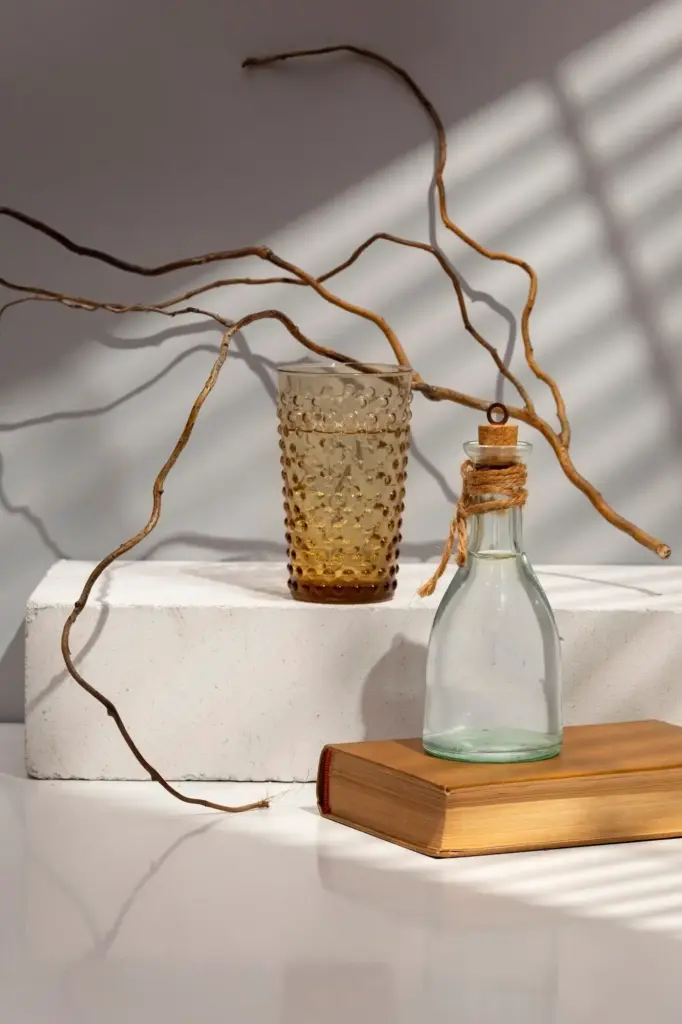
Details the Hand Can Feel
Light, Architecture, and Seamless Integration
01
Grids, Sightlines, and Measured Quiet
Begin with a measured grid that acknowledges existing axes: door heads, window sills, stair lines. Extend these cues across cabinetry faces and shelves. Respecting sightlines creates continuity, while small offsets can deliberately create tension where needed. When the eye travels unbroken from millwork to architecture, rooms feel unified and spacious. This coordination reduces visual friction, assists furniture placement, and ensures that later changes remain harmonious rather than disruptive or oddly improvised.
02
Working with Natural Light
Sunlight transforms wood tones hourly. Test samples in place, acknowledging seasonal shifts and reflections from nearby surfaces. Avoid glossy finishes on faces receiving strong sun to reduce glare. Integrate light where function benefits: drawer interiors, task surfaces, art niches. Indirect light strengthens calm compositions by emphasizing depth over sparkle. Done right, illumination becomes a supportive companion, clarifying materials and forms without eclipsing the restrained character that makes the space feel intentionally composed.
03
Acoustics and the Soft Power of Quiet
Minimal spaces can echo if finishes are overly hard. Combine upholstered pieces, rugs, and acoustic panels hidden behind slatted millwork to tame reflections. Felt-lined drawers and soft-close slides reduce incidental noise. Simple moves create hushed backdrops perfect for conversation and focus. Treat sound like a design material, equal to light and texture. When the room sounds calm, its visual restraint reads as welcoming rather than severe, supporting lingering, reading, and unhurried, meaningful meals together.

Living with Less, For Longer
All Rights Reserved.